
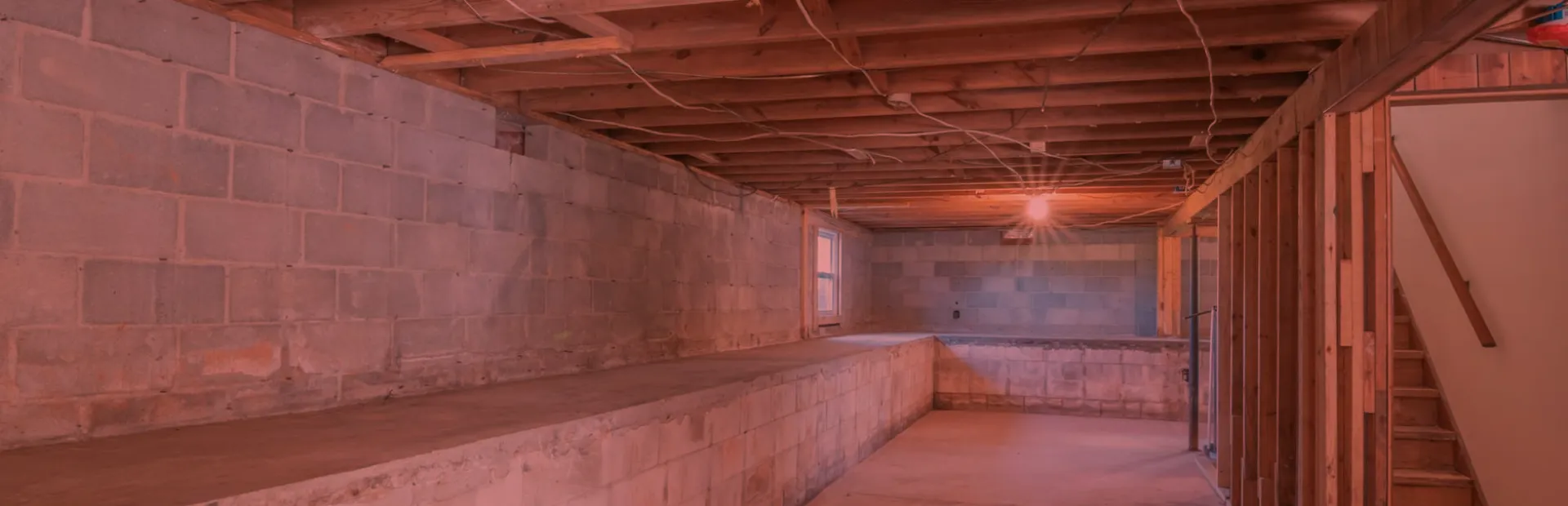

Seal Your Crawl Space Foundation in Columbia, SC
In Columbia’s humid climate, your crawl space is silently undermining your home’s health and your wallet. Up to 50% of the air you breathe on the first floor comes directly from below, carrying moisture, mold spores, and musty odors that seep through your floors. Meanwhile, exposed foundation vents invite hot, muggy summer air that strains your HVAC system, driving up cooling costs year after year. Crawl Space Encapsulation transforms your damp, vented foundation into a sealed, dry, controlled environment. By installing a heavy-duty vapor barrier, sealing foundation vents, applying closed-cell spray foam insulation, and managing humidity with commercial-grade dehumidifiers, we protect your family’s health, extend your home’s lifespan, and lower your monthly utility bills by 15 to 20%.
In the Midlands of South Carolina, crawl spaces face relentless challenges from ground moisture, seasonal downpours, and oppressive summer humidity. For decades, builders installed foundation vents under the assumption that outdoor air would naturally dry out these spaces. Modern building science has proven the opposite: vented crawl spaces actually pull in hot, moisture-laden air during our long cooling season. When that humid air contacts your cooler HVAC ducts and floor joists, condensation forms, creating ideal conditions for mold colonies, wood rot, and sagging subfloors that compromise your home’s structural integrity. Crawl Space Encapsulation reverses this cycle by converting your vented foundation into a sealed, climate-controlled zone. The process begins with a puncture-resistant vapor barrier that blocks moisture rising from the soil. We then seal every foundation vent to stop humid outdoor air from entering, apply closed-cell spray foam insulation to the perimeter walls and rim joists, and install a commercial-grade dehumidifier calibrated to maintain relative humidity below 55% throughout the year. This integrated approach does more than prevent mold and odors. By insulating your foundation and protecting your ductwork from extreme temperature swings, encapsulation reduces the workload on your heating and cooling systems, cutting energy costs by 15 to 20% while extending equipment life. You also eliminate the damp, musty environment that attracts termites, rodents, and wood-boring pests. Whether you are noticing musty smells, bouncy floors, or rising utility bills, a sealed crawl space delivers measurable improvements in indoor air quality, structural stability, and long-term home value across Columbia and the surrounding communities.
How We Build a Healthier Space Beneath Your Home
South Carolina’s high water table, clay-heavy soils, and frequent summer storms make Midlands crawl spaces especially vulnerable to standing water and persistent dampness. Conventional venting only worsens the problem by allowing humid air to settle under your floors, where it condenses on cooler surfaces and feeds mold growth. Our encapsulation approach addresses these regional challenges head-on by creating a sealed, conditioned environment that blocks moisture at every entry point. With over 25 years of construction experience in Columbia and surrounding counties, we know which materials hold up to local conditions and which shortcuts lead to callbacks. From the initial site assessment to final dehumidifier calibration, every stage of the process is designed to deliver long-term performance and measurable improvements in air quality, energy efficiency, and structural stability.
What Our Encapsulation Process Includes
- Site evaluation and debris removal. We clear the space, inspect floor joists and sills for rot or insect damage, and address any standing water or drainage concerns before installation begins.
- Heavy-duty vapor barrier installation. A 12 to 20 mil puncture-resistant polyethylene liner covers the entire dirt floor, with all seams overlapped and sealed with waterproof tape to prevent ground moisture from rising.
- Foundation vent sealing. We permanently seal old vents to stop humid outdoor air, drafts, and pests from entering, creating an airtight barrier around the perimeter.
- Closed-cell spray foam insulation. Applied to foundation walls and rim joists, this foam creates a continuous thermal boundary and acts as an additional vapor barrier, protecting ductwork from temperature extremes.
- Commercial-grade dehumidifier installation. A properly sized unit maintains relative humidity below 55% year-round, preventing mold growth even during the wettest months.
- Energy savings of 15 to 20 percent. By insulating ductwork and reducing HVAC workload, encapsulation cuts heating and cooling costs while extending equipment life and improving comfort upstairs.
- Elimination of pest attractants. Sealing out moisture removes the damp environment that termites, roaches, and rodents need to survive, protecting your investment from infestations and structural damage.